In this lesson, students will use C-SPAN video clips to examine the founding principles that emerged from the Constitutional Convention as well as hear about some of the people who participated. Students will use this information to analyze the role the compromise played in the creation of the Constitution.
The Constitutional Convention
In the summer of 1787, delegates gathered for a convention in Philadelphia, with the goal of revising the Articles of Confederation, the nation’s existing governing document, which wasn’t really working. Instead, they wrote a whole new document, which created a revolutionary form of government: the U.S. Constitution. Read more about the summer of 1787 in the National Constitution Center’s learning module.
Constitution Day Scavenger Hunt with 60-Second Civics
Fifty-five delegates attended the Constitutional Convention in Philadelphia in 1787. Most students can identify George Washington or James Madison. But what about the 53 other delegates? Who were they? How did they influence the convention? In this lesson, students will familiarize themselves with the delegates by listening to a series of 60-Second Civics podcast episodes devoted to the Framers of the Constitution.
Constitutional Convention
This article focuses on George Washington’s role in the Constitutional Convention in Philadelphia from May 14 to September 17. Delegates were gathering to correct the various problems that had arisen while the newly-independent nation was operating under the Articles of Confederation, but Washington had to be persuaded to even attend.
Act IV: How Did the Constitutional Convention Conclude?

This short video analyzes the final days of the Convention, when the delegates were eager to leave but also mindful of the work they had accomplished. They were “smart people who had learned from spending 88 days together” and even those opposed to the Constitution (Randolph, Mason, and Gerry) had the opportunity to dissent. Professor Gordon Lloyd agrees with Franklin that the Constitution did not achieve perfection but, rather, created a “more perfect union.”
George Washington and the Constitutional Convention
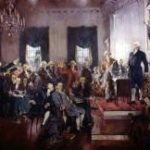
This short video discusses George Washington’s “infinite care in preparing the Constitution for posterity.” As Chair of the Constitutional Convention, Washington was most often silent, but he did cast a crucial vote in the Virginia delegation, resulting in the adoption of the Connecticut Compromise. Professor W. B. Allen emphasizes the role played by Washington in providing leadership and structure as the principles of the Constitution were argued and articulated.
Act II: What Was the Connecticut Compromise at the Constitutional Convention?
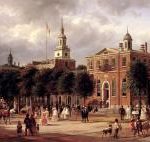
This short video explores the Connecticut Compromise, in which the delegates rejected an “either/or” solution to the question of representation and instead “thought out of the box,” creating a government that was partly national and partly federal. Professor Gordon Lloyd points out that although the final vote (5/4/1) on the Compromise did not reflect a bi-partisan consensus, it nevertheless was a significant breakthrough for moving on to other issues.
Challenges to Ratification of the Constitution
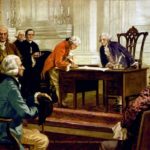
This video examines the need for and the challenges faced by the new Constitution. Delegates to the Constitutional Convention, originally an ad hoc gathering to revise the Articles of Confederation, quickly realized the need for a new political structure to strengthen the federal government. Professor John Kaminksi notes the role played by George Washington in legitimizing the Convention, as well as the significance of the decision to require ratification through conventions in 9/13 states.
Founding Documents: The Constitution Podcast
After just six years under the Articles of Confederation, a committee of anxious delegates agreed to meet in Philadelphia to amend the government. The country was in an economic crisis — citizens couldn’t pay their debts, the government couldn’t really collect taxes, and rebellions were cropping up in states across the nation. The existing government had the potential to drive the country to ruin. So fifty-five men gathered to determine the shape of the new United States.
The document that emerged after that summer of debate was littered with masterful planning, strange ideas and unsavory concessions. The delegates decided they’d be pleased if this new government lasted fifty years. It has been our blueprint for over two centuries now. This is the story of how our Constitution came to be.
This short episode includes a one-page Graphic Organizer for students to take notes on while listening, as well as discussion questions on the back side.
Popular Sovereignty and Constitutional Ratification
This short video highlights the importance of popular sovereignty in the ratification debates. The people themselves, through their elected delegates in specially-called conventions, voted up or down on the new Constitution. Professor John Kaminksi notes how the Antifederalists also used the principle of popular sovereignty to justify their call for constitutional amendments.