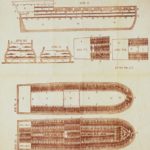
This short video examines changing attitudes towards the slave trade in the late 18th century. As early as 1763, there were strong voices in favor of the abolition of international slave trading. At the Constitutional Convention, states from the Deep South refused to support the Constitution without some protection for the slave trade. Professor John Kaminksi describes the convention’s decision to allow congressional action on slavery after 1808 as “the beginning of the end.”
The Age of Exploration (CKHG Unit)
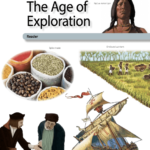
This unit introduces students to European exploration and trade from 1400 to the 1600s. Across 12 lessons, students learn about motivations for European exploration and study specific explorers, learning about their encounters with indigenous peoples. Students are introduced to the early slave trade and the beginnings of slavery in the Americas.
Compromise of 1850 (SIM Lesson Plans)
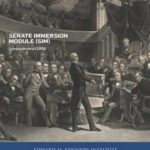
The materials in this curriculum are designed to enhance the Institute’s Senate Immersion Module (SIM) experience, but can also be used separately. The SIM program is an educational, role-playing experience, developed to engage new generations of Americans. The Institute encourages classroom preparation for the SIM, active play at the Institute, and debriefing at the end of the experience.
States, Slavery, and the Constitution

This short video assesses sectional differences at the Convention about slavery. New England delegates saw slavery as a moral issue beyond the scope of their deliberations; representatives from the Middle States were generally opposed to slavery on moral and economic grounds; and Southerners were insistent on protection for both slavery and the slave trade. Professor John Kaminski analyzes how the conflict was resolved by denying Congress any power to regulate the trade until 1808.