Students will engage in a study of the Constitution to learn about the nature and structure of the United States. The Constitution will be analyzed and discussed as a primary source to understand the form of government and principles of the U.S. This lesson provides students an opportunity to explore how the government works and what the Constitution means to them today. Students will create a song to demonstrate understanding of the Constitution and nature of the U.S. government. Constituting America has a song contest teachers may want to integrate with this lesson plan.
Civic Art Project: Notes on the Constitution
Students create art works based on an examination of the language of the Constitution and the personal connections they make. These art works will incorporate words, illustrations, and mixed media images.
This lesson can be adapted for different grade levels. High school students can use an abridged version of the U.S. Constitution. Elementary and middle school students can use the Preamble, or introduction, to the Constitution.
Founding Documents
Discover the documents at the bedrock of our nation’s founding and understand the fundamental ideas from each of the documents, and the major principles of the U.S. Constitution. Primary sources include the Declaration of Independence, Articles of the Confederation, the Constitution and the Bill of Rights, Federalist papers (#51, #70, #78), Brutus #1, and the amazing Letter from the Birmingham City Jail. Check out the National Constitution Center’s learning module for more resources!
We the People Open Course
This course takes you from the philosophical foundations of the U.S. Constitution through the modern interpretation and application of its ideals. You will find videos of noted scholars explaining key aspects of the Constitution and online exercises to check for understanding. The course follows the We the People: The Citizen & the Constitution Level 3 (high school) textbook, which has been used throughout the country to further understanding of our government and its fundamental principles.
The American Constitution In Emoji
Emojis are taking over the world, and the U.S. Constitution is no exception. Kevin McCraney is the We the Future Contest’s winner for Best Grad School Short Film. He gives us positive and negative aspects of the Constitution. He also asks: “Should robots participate in our society with the same rights as people?” Kevin’s use of emojis and his intriguing questions will keep your students’ attention and generate more discussion than one class period allows.
The Constitution in Today’s America
This lesson will teach students about the development of the U.S. Constitution and its role in our system of government. Students will learn about the relationship between the Constitution and a democratic government. In the activities and lesson extensions, they will explore decisions made in the Constitution, including the creation of government institutions, and the purpose of the amendment process. Students also will write an essay in which they analyze how the Constitution helped to fulfill the promise of the United States.
The Constitution
This series of videos breaks down the different parts of the United States Constitution for students. In the videos, Kim and Sal interview constitutional scholars associated with the National Constitution Center, including Jeffrey Rosen, Heather Gerken, Ilya Somin, and Richard Garnett.
‘Everything: Why Citizens Should Know Their U.S. Constitution’
Do your students need to have a reason to learn about the Constitution? Constituting America’s Best College PSA winner Emily Kitzmiller gives multiple reasons in “Everything.” In one minute, this fantastic classroom starter erupts with who, what, where, when and why the Constitution is significant to your students.
Constitutional Compromise Game
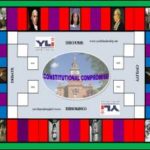
The Constitutional Compromise Game was designed specifically for teachers who don’t know what to do on Constitution Day. The game combines the skills of discourse, debate and compromise that were essential to the creation of the Constitution. Students work independently and in groups to solve Constitutional challenges and ratify the Constitution. This is a great activity for teachers who do not teach government or civics but need to satisfy the Constitution Day requirement. Free registration is required to access the lesson plan.
Our Constitution
The Our Constitution book, written by Donald A. Ritchie and JusticeLearning.org, takes an in-depth look at the Constitution, annotated with detailed explanations of its terms and contents. Included are texts of primary source materials, sidebar material on each article and amendment, profiles of Supreme Court cases, and timelines. The complete book or individual chapters can be downloaded.