The Seneca Falls Convention, held in Seneca Falls, New York, on July 19 to July 20, 1848, was the first women’s rights convention held in the United States. At that convention, the Declaration of Sentiments was written that outlined demands for women’s equality. This lesson uses video clips to have students understand the important people and events that led to the Declaration of Sentiments and then apply the text of the Declaration to today.
Founding Documents: Declaration of Independence Podcast
America declared independence on July 2, 1776. But two days later, it adopted this radical, revolutionary, inclusive, exclusive, secessionist, compromising, hypocritical, inspirational document. What does it say? What does it ignore? This episode features many scholars with differing opinions on the Declaration: Danielle Allen, Byron Williams, Cheryl Cook-Kallio, Woody Holton, and Emma Bray.
This short episode includes a one-page Graphic Organizer for students to take notes on while listening, as well as discussion questions on the back side.
What Does July 4th Mean to You?
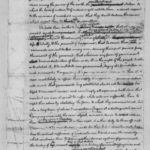
July 4th brings to mind fireworks, parades, and picnics but what are we celebrating when we remember the signing of the Declaration of Independence? What does July 4th mean to you? This lesson plan lets students make connections between the birthday of America and its significance in today’s world.
“What to the Slave Is the Fourth of July?”
Frederick Douglass earned wide renown as an outspoken and eloquent critic of the institution of slavery. In this speech before a sizeable audience of New York abolitionists, Douglass reminds them that the Fourth of July, though a day of celebration for white Americans, was still a day of mourning for slaves and former slaves like himself, because they were reminded of the unfulfilled promise of equal liberty for all in the Declaration of Independence.
Celebrating the Founders
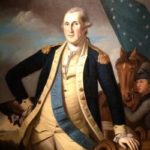
This short video explores why Americans celebrate the Founding generation. Americans point to a “founding moment” and, from the country’s earliest days, celebrated this “moment” on July 4. The first individuals to be honored were military leaders like George Washington; later, individuals who created the nation’s government were celebrated. Professor Daniel Dreisbach draws parallels between the commemoration of Washington as “Father” of the country and Moses as “Father” of the Hebrew nation.
The Declaration of Independence: From Rough Draft to Proclamation
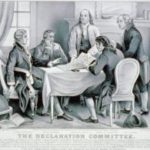
Students will analyze an unidentified historical document and draw conclusions about what this document was for, who created it, and why. After the document is identified as Thomas Jefferson’s “original Rough draught” of the Declaration of Independence, students will compare its text to that of the final document adopted by Congress on July 4, 1776 and discuss the significance of differences in wording.
Prequel to Independence
In this activity, students sequence key events leading to the Declaration of Independence by placing documents in chronological order.
Comparing American and French Revolutionary Documents
This activity engages students in a comparison of the American Declaration of Independence and the French Declaration of Rights of Man and Citizen. Students will focus on analyzing message, purpose, and audience. Students should complete the activity with an understanding that while the ideals underlying the two documents were very similar, the purpose and audience of the two documents differed significantly.
To Sign or Not to Sign
Students will consider the arguments made by members of the Continental Congress regarding whether or not to sign the Declaration of Independence. They will also have the opportunity to analyze each section of the Declaration to understand its meaning and consider the consequences of signing the document.
Excerpts From the Declaration of Independence
In this activity, students will examine excerpts from the Dunlap Broadside, the first printed and distributed copy of the Declaration of Independence.