Ten days after the Constitution was signed at the Old Philadelphia State House, an anonymous op-ed appeared in the New York Journal. Signed by “”Cato,” it cautioned readers of the new Constitution to take it with a grain of salt. Even the wisest of men, it warned, can make mistakes. This launched a public debate that would last months, pitting pro-Constitution Federalists against Constitution-wary Anti-Federalists. It was a battle for ratification, and it resulted in a glimpse into the minds of our Framers – and a concession that would come to define American identity.
Our guides through the minds of the Federalists and Anti-Federalists are Claire Griffin and Cheryl Cook-Kallio.
This short episode includes a one-page Graphic Organizer for students to take notes on while listening, as well as discussion questions on the back side.
Bill of Rights Overview
The Bill of Rights is the first 10 amendments to the U.S. Constitution. These amendments guarantee essential rights and civil liberties, such as the freedom of religion, the right to free speech, the right to bear arms, trial by jury, and more, as well as reserving rights to the people and the states. After the Constitutional Convention, the absence of a bill of rights emerged as a central part of the ratification debates. Anti-Federalists, who opposed ratification, pointed to the missing bill of rights as a fatal flaw. Several states ratified the Constitution on the condition that a bill of rights be promptly added. Pop over to the National Constitution Center’s learning module to discover more!
Anti-Federalism and Dissent in Constitutional History
Saul Cornell, from Fordham University, and James Basker, the president of the Gilder Lehrman Institute, discuss anti-federalism and dissent in constitutional history. Anti-federalists were advocates against the ratification of the Constitution.
Article VII: Ratification
After months of debate during the hot Philadelphia summer, on September 17, 1787, the Constitutional Convention finally adjourned and the new Constitution was signed, but it was not the law of the land yet. According to Article VII of the document, nine of 13 states would have to ratify (or approve) the new Constitution before it would officially replace the Articles of Confederation as our governing document.
Our Heritage of Liberty: The Bill of Rights
This lesson is based on a two-part Annenberg Classroom video – The Story of the Bill of Rights and the Ten Amendments – about one of the toughest political fights in American history and the outcome that became a symbol of liberty and freedom in America: The Bill of Rights.
Federalist No. 10

Federalist 10 is part of a remarkable public discussion between Federalists and Anti-federalists on the nature of republican government.
The Story of the Bill of Rights
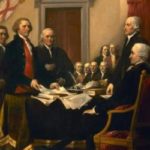
This documentary tells the story of these individual freedoms that often are taken for granted today. But in 1787, when they were first discussed at the Constitutional Convention, the Founding Fathers rejected them. Why were these rights controversial then? The full story about these rights, including what they say and what they mean, is explained. Ten short videos examine each of the amendments in the Bill of Rights.
Blogging the Bill of Rights

It is the 1780s but you have access to modern technology, such as a computer and Internet access. You have decided to start a blog to get people thinking and talking about a bill of rights for the Constitution — and especially to get your point of view heard.
Antifederalist Objections to the Constitution
This short video highlights two major Antifederalist objections to the Constitution. They were concerned that the Constitution did not contain a bill of rights, something many colonial charters and state constitutions had included. Secondly, the Constitution significantly reduced state sovereignty in favor of a stronger central government. Professor John Kaminski examines the Antifederalist concerns about the ambiguous nature of the power of the central government.
Challenges to Ratification of the Constitution
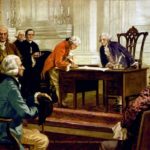
This video examines the need for and the challenges faced by the new Constitution. Delegates to the Constitutional Convention, originally an ad hoc gathering to revise the Articles of Confederation, quickly realized the need for a new political structure to strengthen the federal government. Professor John Kaminksi notes the role played by George Washington in legitimizing the Convention, as well as the significance of the decision to require ratification through conventions in 9/13 states.