This DocsTeach page includes a variety of primary sources and teaching activities exploring the ways Americans, including African Americans and others, have fought for, attained, and protected their rights. Many documents at the National Archives illustrate how individuals and groups asserted their rights as Americans. Use this site to find teaching activities to explore the topics such as slavery, racism, citizenship, women’s independence, immigration, and more.
Natural Rights, Citizenship Rights, State Rights, and Black Rights: Another Look at Lincoln and Race
In the real world, the ability of free blacks to enjoy their natural rights and exercise the privileges and immunities of citizenship depended on the states where they actually lived. When those states imposed a raft of legal discriminations on free blacks they cheapened the meaning of freedom and discounted the value of citizenship. I suspect this bothered Lincoln, but it wasn’t his issue. It would take other men and women, and another century of struggle, before “states rights” was abolished. Free registration for students and teachers required to access resource.
19th Amendment: Women’s Right to Vote
In this learning module, students will trace the roots of the women’s rights movement, from early reform efforts in the 1800s to the ultimate decision to pursue voting rights. This unit explores the constitutional arguments over women’s suffrage, the historical context of the fight for suffrage over 70 years, and the tactics suffragists used to persuade state legislatures and the national government to recognize voting rights for women.
The Equal Rights Amendment (ERA)
The Equal Rights Amendment (ERA) stated, “Equality of Rights under the law shall not be denied or abridged by the United States or any state on account of sex.” This proposed amendment was passed by Congress in 1972 but failed to be ratified by three-fourths of the states. This lesson provides an overview of the proposed amendment, arguments for and against ratification and possible future steps toward ratification. This lesson can be used in a traditional or flipped classroom.
Should the 1972 Equal Rights Amendment Be Ratified?
Students will be able to identify and explain aspects of the Equal Rights Amendment debate including various legal and societal considerations.
Women, Their Rights and Nothing Less: The First Amendment and the Women’s Suffrage Movement
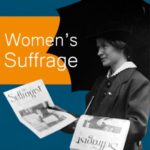
Use this map to explore how the women’s suffrage movement — and the people who opposed it — tried to influence public opinion. Explore artifacts from billboards and cards to buttons and cartoons. You’ll uncover the wide array of tools and tactics each side used to spread its message, and you’ll see how geography and other factors shaped the form and content of their communication.
Teaching LGBT Rights
The history of equal rights for members of the LGBT community is something often overlooked in classroom curriculum. With the Supreme Court ruling that same-sex marriage is a constitutional right, it is important to look back at the men and women who fought for equality, especially right here in Philadelphia. Events, such as Reminder Day, are examples of how we can remember the contribution of men and women in the community who fought for their rights as citizens.
American Reformers (CKHG Unit)
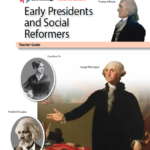
This unit (the second part of Early Presidents and Social Reformers) focuses on the efforts to improve American society in the early 1800s. Across 6 lessons, students learn about the temperance movement, free public education, the abolitionists’ crusade to abolish slavery, and the early women’s rights movement. The unit explores early reformers’ legacy in ongoing modern-day struggles for equality and civil rights.
Women & the American Story: Growth and Turmoil, 1948-1976
This free curriculum unit from the New-York Historical Society explores the decades following World War II and considers the action that different groups took to advocate for their rights. Materials examine how shifting political and social ideologies impacted women’s lives and the roles women played in the wide array of activist-led movements that formed in the 1960s and 1970s.
Women & the American Story: Modernizing America, 1889-1920
This free curriculum unit from the New-York Historical Society examines how women used various forms of activism to fight for social change during the Progressive Era. Materials consider how women advocated for their rights and the role of women’s suffrage in this advocacy.