In this lesson, students will learn about the individual rights that are included in the Bill of Rights and current issues relating to them. Students will use C-SPAN Classroom’s Constitution Clips to explore what each of these rights mean and determine how these rights apply to current events in America. This lesson works well with classes with one-to-one devices or in flipped classrooms.
Rights in America
This DocsTeach page includes a variety of primary sources and teaching activities exploring the ways Americans, including African Americans and others, have fought for, attained, and protected their rights. Many documents at the National Archives illustrate how individuals and groups asserted their rights as Americans. Use this site to find teaching activities to explore the topics such as slavery, racism, citizenship, women’s independence, immigration, and more.
Natural Rights, Citizenship Rights, State Rights, and Black Rights: Another Look at Lincoln and Race
In the real world, the ability of free blacks to enjoy their natural rights and exercise the privileges and immunities of citizenship depended on the states where they actually lived. When those states imposed a raft of legal discriminations on free blacks they cheapened the meaning of freedom and discounted the value of citizenship. I suspect this bothered Lincoln, but it wasn’t his issue. It would take other men and women, and another century of struggle, before “states rights” was abolished. Free registration for students and teachers required to access resource.
Amendment Worth A Thousand Words
With many pictures posted all over every social media platform, the #amendmentworthathousandwords’ overall mission will be to enlighten many of the rights promised to people by the Constitution. Through this challenge, many will become aware of their rights and what the Constitution does not only for them, but for all Americans as well! Lesson plan by Eboni Jenerette
Do I Have a Right?: Bill of Rights Edition (Game and Teacher Guide)
In the Bill of Rights edition of Do I Have a Right? your students run a law firm that specializes in constitutional law, specifically the rights protected in the Bill of Rights. Clients bring various complaints, and students must identify if they “have a right.” As students successfully resolve cases by matching them with the correct attorneys, their law firm grows along with the skills of their lawyers.
Bill of Rights
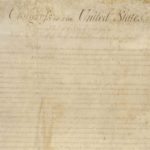
The Bill of Rights is on permanent display at the National Archives in Washington, DC. This original joint resolution of Congress proposed 12 amendments to the United States Constitution, but only 10 were ratified. Added to the Constitution in 1791 as the first 10 amendments, the Bill of Rights explicitly protected freedom of speech, of the press, of religion, and of assembly, among many other rights.
Why Should We Care? Understanding Rights and Responsibilities as Citizens
Students will identify some of the rights they enjoy as a citizen, and what responsibilities accompany those rights. They will reflect on whether or not they have a responsibility to protect the rights of others as well as their own.
James Madison and the Bill of Rights
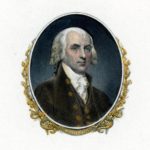
This short video traces the evolution of James Madison’s thinking about the necessity of a Bill of Rights. While originally opposed to both a bill of rights and conditional ratification, Madison came to appreciate the political and the practical efficacy of both. Professor Jack Rakove notes that, unlike many bills of rights which use the phrase “the government ought not”, the American Bill of Rights says “the government shall not”, thus creating a set of legal commands to limit government.
Fundamental Freedoms
This lesson uses three Supreme Court cases to illustrate the difficulty in balancing our rights as citizens with the authority of a governmental body. Students will learn what our rights are, where they come from, and how far they extend.
Civil Rights: Identifying Community Issues

In this activity, students will investigate a contemporary civil rights issue to better understand the continuing legacy of the civil rights movement and the current impact of civil rights issues the movement did not address.