This DocsTeach page includes a variety of primary sources and teaching activities exploring the ways Americans, including African Americans and others, have fought for, attained, and protected their rights. Many documents at the National Archives illustrate how individuals and groups asserted their rights as Americans. Use this site to find teaching activities to explore the topics such as slavery, racism, citizenship, women’s independence, immigration, and more.
From Provocative to Productive: Teaching Controversial Topics
Get first steps for creating a respectful yet vibrant environment for students to explore diverse ideas on controversial topics, from politics to profanity, religion to racism. Four guidelines and a debate leader checklist provide a foundation for those seeking to steer productive conversations about controversial subjects.
Women & the American Story: Growth and Turmoil, 1948-1976
This free curriculum unit from the New-York Historical Society explores the decades following World War II and considers the action that different groups took to advocate for their rights. Materials examine how shifting political and social ideologies impacted women’s lives and the roles women played in the wide array of activist-led movements that formed in the 1960s and 1970s.
Brown v. Board of Education (1954) High School Level

This case summary provides teachers with everything they need to teach about Brown v. Board of Education (1954). It contains background information in the form of summaries and important vocabulary at three different reading levels, as well a review of relevant legal concepts, diagram of how the case moved through the court system, and summary of the decision. This resource also includes nine classroom-ready activities that teach about the case using interactive methods. Middle school level also available.
The Civil Rights Movement
Clarence Taylor, historian at Baruch University, discusses the Civil Rights Movement from Brown v. Board of Education to the passage of the 1965 Voting Rights Act.
Gradual Emancipation of Slaves After 1780
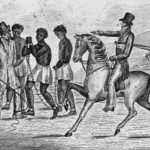
This short video examines the gradual but limited emancipation that occurred before the Constitutional Convention. In Northern states, fewer slaves and less racist sentiment enabled states such as Pennsylvania to pass gradual emancipation laws while even some Southern states, where racism was more entrenched, made it easier for slaves to be freed. However, as Professor John Kaminiski notes, the great political leaders of the South took no bold actions to free their slaves.