In this lesson, students will learn about the individual rights that are included in the Bill of Rights and current issues relating to them. Students will use C-SPAN Classroom’s Constitution Clips to explore what each of these rights mean and determine how these rights apply to current events in America. This lesson works well with classes with one-to-one devices or in flipped classrooms.
Rights in America
This DocsTeach page includes a variety of primary sources and teaching activities exploring the ways Americans, including African Americans and others, have fought for, attained, and protected their rights. Many documents at the National Archives illustrate how individuals and groups asserted their rights as Americans. Use this site to find teaching activities to explore the topics such as slavery, racism, citizenship, women’s independence, immigration, and more.
Freedom Summer 1964
Freedom Summer is a digital learning tool (available on the web or as an app) for teachers and students that explores key events surrounding this time in America’s history and the impact of the civil rights movement on civil rights legislation. Players predict the outcomes of civil and congressional actions and discover how the events are intertwined. Students have the opportunity to view informative intro and outro videos and analyze 20 primary sources depicting images of civil rights events. Analysis of a variety of primary sources and supplemental information leads students to identify varying perspectives and potential outcomes. Freedom Summer is formatted for all types of computers and mobile devices, including Chromebooks, and can be found on the website or in any app store for download.
Amendment Worth A Thousand Words
With many pictures posted all over every social media platform, the #amendmentworthathousandwords’ overall mission will be to enlighten many of the rights promised to people by the Constitution. Through this challenge, many will become aware of their rights and what the Constitution does not only for them, but for all Americans as well! Lesson plan by Eboni Jenerette
Bill of Rights Booklet – Elementary and Middle Schools
Want your students to have their own Bill of Rights booklet? This booklet has the verbiage from the Bill of Rights and a space for students to be able to paraphrase what each amendment means.
Do I Have a Right?: Bill of Rights Edition (Game and Teacher Guide)
In the Bill of Rights edition of Do I Have a Right? your students run a law firm that specializes in constitutional law, specifically the rights protected in the Bill of Rights. Clients bring various complaints, and students must identify if they “have a right.” As students successfully resolve cases by matching them with the correct attorneys, their law firm grows along with the skills of their lawyers.
Bill of Rights
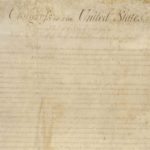
The Bill of Rights is on permanent display at the National Archives in Washington, DC. This original joint resolution of Congress proposed 12 amendments to the United States Constitution, but only 10 were ratified. Added to the Constitution in 1791 as the first 10 amendments, the Bill of Rights explicitly protected freedom of speech, of the press, of religion, and of assembly, among many other rights.
The Story of the Bill of Rights
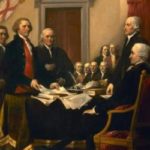
This documentary tells the story of these individual freedoms that often are taken for granted today. But in 1787, when they were first discussed at the Constitutional Convention, the Founding Fathers rejected them. Why were these rights controversial then? The full story about these rights, including what they say and what they mean, is explained. Ten short videos examine each of the amendments in the Bill of Rights.
Dialogue on the Fourteenth Amendment
The American Bar Association Dialogue program provides lawyers, judges and teachers with the resources they need to engage students and community members in a discussion of fundamental American legal principles and civic traditions. This Dialogue on the Fourteenth Amendment is composed of three parts:
Part 1: Equal Protection and Civil Rights – Participants discuss the equal protection clause of the 14th Amendment and consider how Congress, through federal legislation, has worked to help realize its constitutional promise.
Part 2: Incorporating the Bill of Rights examines the concept of incorporation. Using a case study of Gitlow v. New York, this section provides a guide to how courts have applied the Bill of Rights, selectively, to the states using the 14th Amendment.
Part 3: Ensuring Equality and Liberty explores how the 14th Amendment has been interpreted by courts to protect fundamental freedoms, including individuals’ right to marry.
Voting Rights in America Timeline
Supplement your students’ understanding of voting rights in the United States with this free downloadable timeline. This visual guide breaks down the history of voting rights across identities, and gives context to efforts to expand and limit voting access over time, through the lenses of our three branches of government and our federal system.