C-SPAN’s Constitution Clips makes the U.S. Constitution come alive by providing teachers and students with video clips from C-SPAN’s Video Library of the Constitution in action.
Constitution of the United States with Index and the Declaration of Independence, Pocket Edition
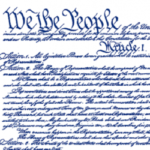
This is the 25th pocket edition of the complete text of two core documents of American democracy, the Constitution of the United States (with amendments) and the Declaration of Independence. The resolution calling for the ratification of Constitutional Convention is also included. A topical index to the Constitution is provided. (House Document 112-29, 2012)
Bring the Constitution to Life!
Locate primary sources from the holdings of the National Archives related to such topics as “checks and balances,” “representative government,” all 27 amendments, and other concepts found in the Constitution. This special home page devoted to the U.S. Constitution also features activities to share with students, such as “The Constitution at Work,” which uses primary sources to demonstrate the Constitution in action in our everyday lives.
Making Civics Real
A multimedia workshop for high school civics teachers. It includes 8, 1-hour video programs, a print guide to the workshop activities, and a website. The goal of this workshop is to give teachers new resources and ideas to reinvigorate civic education. The series presents authentic teachers in diverse school settings modeling a variety of teaching techniques and best practices in a variety of social studies courses from a 9th-grade government/civics/econ course, to a 12th-grade law course
Our Constitution
The Our Constitution book, written by Donald A. Ritchie and JusticeLearning.org, takes an in-depth look at the Constitution, annotated with detailed explanations of its terms and contents. Included are texts of primary source materials, sidebar material on each article and amendment, profiles of Supreme Court cases, and timelines. The complete book or individual chapters can be downloaded.
Documents of Freedom: History, Government, and Economics Through Primary Sources
This complete online textbook covers American history, government, and economic concepts. Resources include readings for students, activity directions for teachers, and handouts that are downloadable and printable for classroom use. Content is geared toward students in grades 8-12. All materials are aligned with Common Core and individual state standards.
13th Amendment: Abolition of Slavery
Slavery was embedded into America’s fabric by the time of the ratification of the Constitution. Do you think this affected how long slavery lasted in America and how it ended? Explore the National Constitution Center’s 13th Amendment Learning Module to learn more.
American Reformers (CKHG Unit)
This unit (the second part of Early Presidents and Social Reformers) focuses on the efforts to improve American society in the early 1800s. Across 6 lessons, students learn about the temperance movement, free public education, the abolitionists’ crusade to abolish slavery, and the early women’s rights movement. The unit explores early reformers’ legacy in ongoing modern-day struggles for equality and civil rights.
The Power of Nonviolence: Rosa Parks: A Quest for Equal Protection Under the Law
This lesson asks students to revisit the well-known story of a figure in the civil rights movement–Rosa Parks–through the primary source documents associated with her arrest in 1955. The arrest occurred in the shadow of the Supreme Court decision in Brown v. Board of Education of Topeka, Kansas (1954) and had a powerful impact on the public policy of segregation and the application of the equal protection clause of the Fourteenth Amendment.
Civil Rights
While the Reconstruction Amendments were an important step in ensuring equal rights for all people, regardless of race, racial injustices throughout the United States continued into the late 19th and 20th centuries, leading to the Civil Rights movement of the 1960s, and the passages of Supreme Court decisions and legislation, including Brown v. Board of Education, the Civil Rights Act of 1964, and the Voting Rights Act of 1965. Visit the National Constitution Center’s learning module to learn more about the freedom struggle and civil rights.